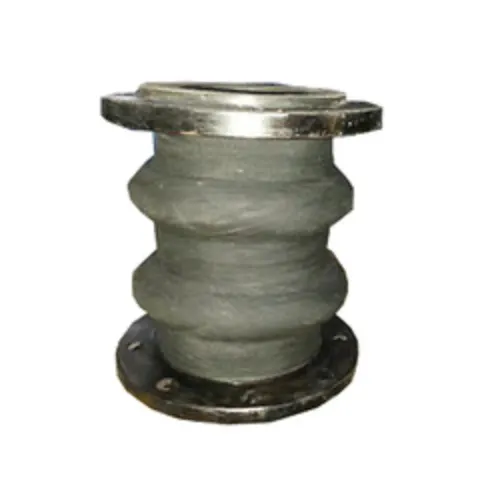

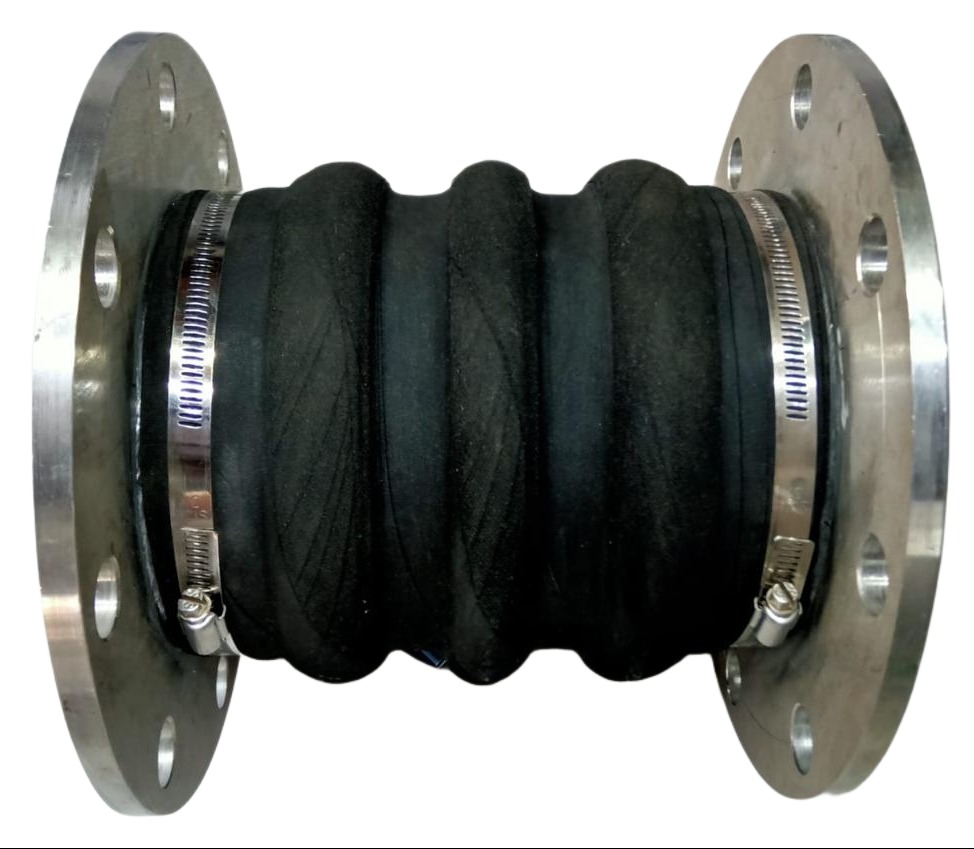
Benefits of Flange Rubber Expansion Joints
When properly selected and installed, flange rubber expansion joints can offer several benefits:
Movement accommodation: Helps accommodate specified piping movement.
Vibration isolation: Helps reduce vibration transmission from pumps and connected equipment.
Noise reduction: May reduce structure-borne noise in suitable installations.
Flexible connection: Provides a flexible interface between connected components.
Multiple material options: Different rubber compounds can suit different service conditions.
Flanged connections: Allows connection to compatible piping and equipment flanges.
Performance depends on joint construction, system design, operating conditions, and correct installation.
Materials and Flange Options
Flange rubber expansion joints may use EPDM, NBR, neoprene, or other elastomers, depending on the application. Reinforcing layers may include textile or other suitable reinforcement, while end flanges may be manufactured from appropriate metals or other specified materials.
Flange dimensions, pressure ratings, drilling patterns, rubber compound, and reinforcement must be matched to the system requirements. Not every material or flange configuration is suitable for every application.